
Do You Need a Permit for a Shipping Container? A Complete Guide for Property Owners
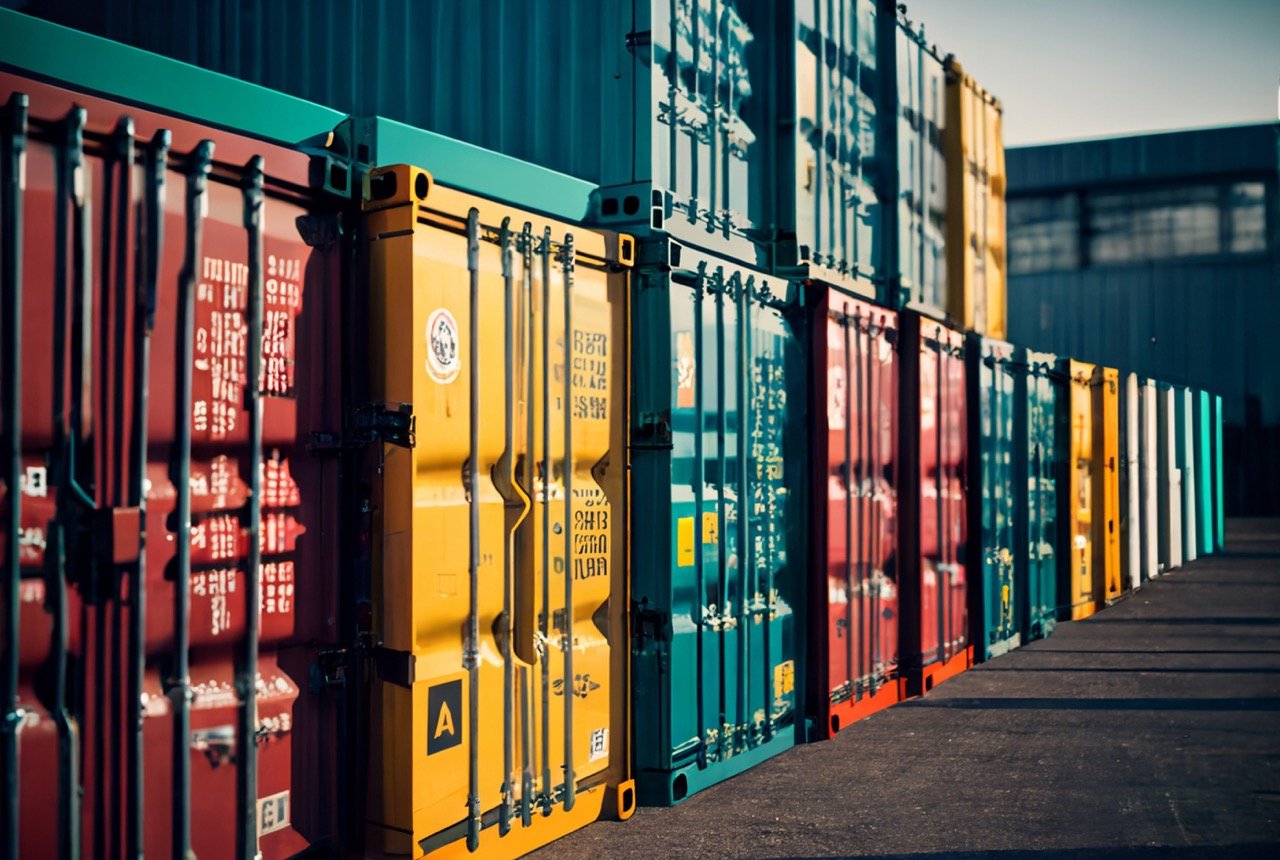
One of the first questions many customers ask before purchasing a shipping container is, "Do I need a permit?" The answer depends on where your container will be placed, how it will be used, and the regulations established by your local municipality.
While many shipping container installations are straightforward, zoning ordinances, setback requirements, homeowners associations (HOAs), and building codes can all play a role in determining whether permits are required.
At Q3 Containers, we deliver new and used shipping containers throughout Virginia, Maryland, Washington D.C., Pennsylvania, and West Virginia. Although local regulations vary, understanding the permitting process before delivery can save time, reduce stress, and help avoid costly surprises.
Are Shipping Container Permits Always Required?
No. Many shipping containers used for temporary storage or construction projects do not require a permit. However, permanent installations or containers being converted into offices, workshops, retail spaces, or homes often require approval from local authorities.
Every city, county, and township has its own regulations, so it's important to verify the rules where your property is located before scheduling delivery.
What Determines Whether You Need a Permit?
Several factors influence whether a permit may be required.
These include:
How the container will be used
Whether the installation is temporary or permanent
Local zoning regulations
Property setbacks
Foundation type
Size of the container
HOA restrictions
Building code requirements
A storage container placed temporarily on an active construction site may be treated differently than a container intended as permanent backyard storage.
Temporary vs. Permanent Shipping Containers
One of the biggest distinctions local governments make is whether the container will remain on the property temporarily or permanently.
Temporary Installations
Temporary containers are commonly used for:
Construction projects
Renovations
Disaster recovery
Equipment storage
Seasonal inventory
Agricultural operations
Many municipalities have more flexible rules for temporary storage containers, although some still require permits after a certain number of days.
Permanent Installations
Permanent installations often receive greater scrutiny.
Examples include:
Workshops
Garages
Business storage
Retail buildings
Offices
Warehouses
Long-term residential storage
Permanent containers are more likely to require zoning approval or permits, particularly if utilities, foundations, or structural modifications are involved.
Understanding Zoning Regulations
Zoning ordinances determine how land can be used within a community.
Before purchasing a shipping container, verify that your property's zoning allows outdoor storage or accessory structures.
Common zoning categories include:
Residential
Commercial
Industrial
Agricultural
Mixed-use
Each category may have different rules regarding shipping containers.
For example, agricultural properties often have more flexibility than residential neighborhoods, while commercial and industrial zones frequently allow containers for storage and operational use.
Residential Properties
Residential neighborhoods often have the most restrictions.
Common regulations may address:
Container visibility
Maximum size
Placement behind the home
Screening requirements
Exterior appearance
Length of time allowed
Some neighborhoods prohibit shipping containers entirely, while others simply require that they be placed behind the primary structure or screened with fencing or landscaping.
Commercial Properties
Businesses commonly use shipping containers for:
Inventory storage
Equipment protection
Construction staging
Seasonal merchandise
Fleet maintenance
Commercial properties generally have more flexibility, but local setbacks and site plans may still apply.
Agricultural Properties
Farm owners use shipping containers for:
Equipment storage
Livestock supplies
Feed
Seed
Irrigation equipment
Tools
Agricultural zoning often allows greater flexibility, making shipping containers a popular storage solution for farms throughout Virginia, Maryland, Pennsylvania, and West Virginia.
What Are Setback Requirements?
Most municipalities require structures to be placed a minimum distance from property lines.
These setback requirements help ensure:
Emergency access
Utility access
Neighboring property protection
Drainage
Visibility
Setbacks vary widely by jurisdiction, making it important to verify local requirements before delivery.
Do Homeowners Associations (HOAs) Have Rules?
Yes.
Even if your municipality allows shipping containers, your HOA may have additional restrictions.
Some associations regulate:
Exterior appearance
Visibility from the street
Length of placement
Approved colors
Landscaping requirements
Always review your HOA covenants before purchasing a container.
Are Building Permits Required?
Building permits are generally more common when shipping containers are modified into usable structures.
Examples include:
Offices
Workshops
Retail stores
Tiny homes
Classrooms
Restaurants
Medical facilities
Adding electrical systems, plumbing, HVAC, insulation, or structural modifications often triggers additional permitting requirements.
Do Foundations Affect Permit Requirements?
In many jurisdictions, yes.
Containers placed on permanent concrete foundations may be regulated differently than containers resting on temporary gravel pads.
If you're installing a permanent foundation, consult your local building department before construction begins.
Utility Connections
Connecting utilities frequently requires additional permits.
Examples include:
Electrical service
Plumbing
Sewer
Septic
Water
Natural gas
Utility work typically requires licensed professionals and inspections.
How to Prepare Before Applying for a Permit
If permits are required, gathering the right information early can streamline the approval process.
You may need:
Property survey
Site plan
Foundation details
Container dimensions
Delivery location
Intended use
Photos of the property
Having this information available makes conversations with local officials much easier.
Questions to Ask Your Local Municipality
Before ordering your container, consider asking:
Is a shipping container allowed on my property?
Is a permit required?
Are there setback requirements?
Can the container be visible from the road?
Are there maximum size limits?
Does the container require screening?
Are temporary installations treated differently?
Is a foundation required?
These answers can help avoid delays after your container arrives.
Common Misconceptions About Shipping Container Permits
"Shipping containers never require permits."
False.
Some installations require permits depending on local regulations.
"Containers are considered temporary everywhere."
Not necessarily.
Many municipalities classify permanently installed containers as accessory structures.
"Only homes require permits."
Commercial and agricultural projects may also require approvals depending on local ordinances.
"Buying a container automatically includes permitting."
Container suppliers provide delivery and products, but property owners are generally responsible for obtaining any permits required by their local jurisdiction.
Why Planning Ahead Matters
Understanding local regulations before delivery helps:
Prevent project delays
Avoid relocation costs
Simplify inspections
Improve placement options
Reduce unexpected expenses
Taking a little time upfront can save significant time later.
Frequently Asked Questions
Can I place a shipping container in my backyard?
Many municipalities allow backyard placement, but local zoning regulations and HOA rules may apply.
Do construction sites require permits?
Some jurisdictions exempt temporary construction storage, while others require permits after a specified period.
Can I build a workshop inside a shipping container?
Yes, but adding electrical systems, insulation, plumbing, or structural modifications often requires permits.
Does every county have different rules?
Yes. Regulations vary significantly between cities, counties, townships, and municipalities.
Who is responsible for obtaining permits?
In most cases, the property owner is responsible for ensuring all necessary permits and approvals are obtained before delivery.
Why Customers Across the Mid-Atlantic Choose Q3 Containers
Whether you're purchasing a container for residential storage, a construction project, agricultural use, or commercial operations, planning ahead makes the process much easier.
Q3 Containers proudly supplies and delivers high-quality new and used shipping containers throughout Virginia, Maryland, Washington D.C., Pennsylvania, and West Virginia. Our team works with customers across the Mid-Atlantic every day, helping them choose the right container and prepare for a smooth, efficient delivery.
Ready to Order a Shipping Container?
If you're planning to purchase a shipping container, start by checking your local zoning and permitting requirements. Once your site is ready, Q3 Containers can help you select the right container for your project and arrange reliable delivery throughout Virginia, Maryland, Washington D.C., Pennsylvania, and West Virginia. Contact us today to get started.