
Shipping Container Foundation Guide: How to Prepare Your Site Before Delivery
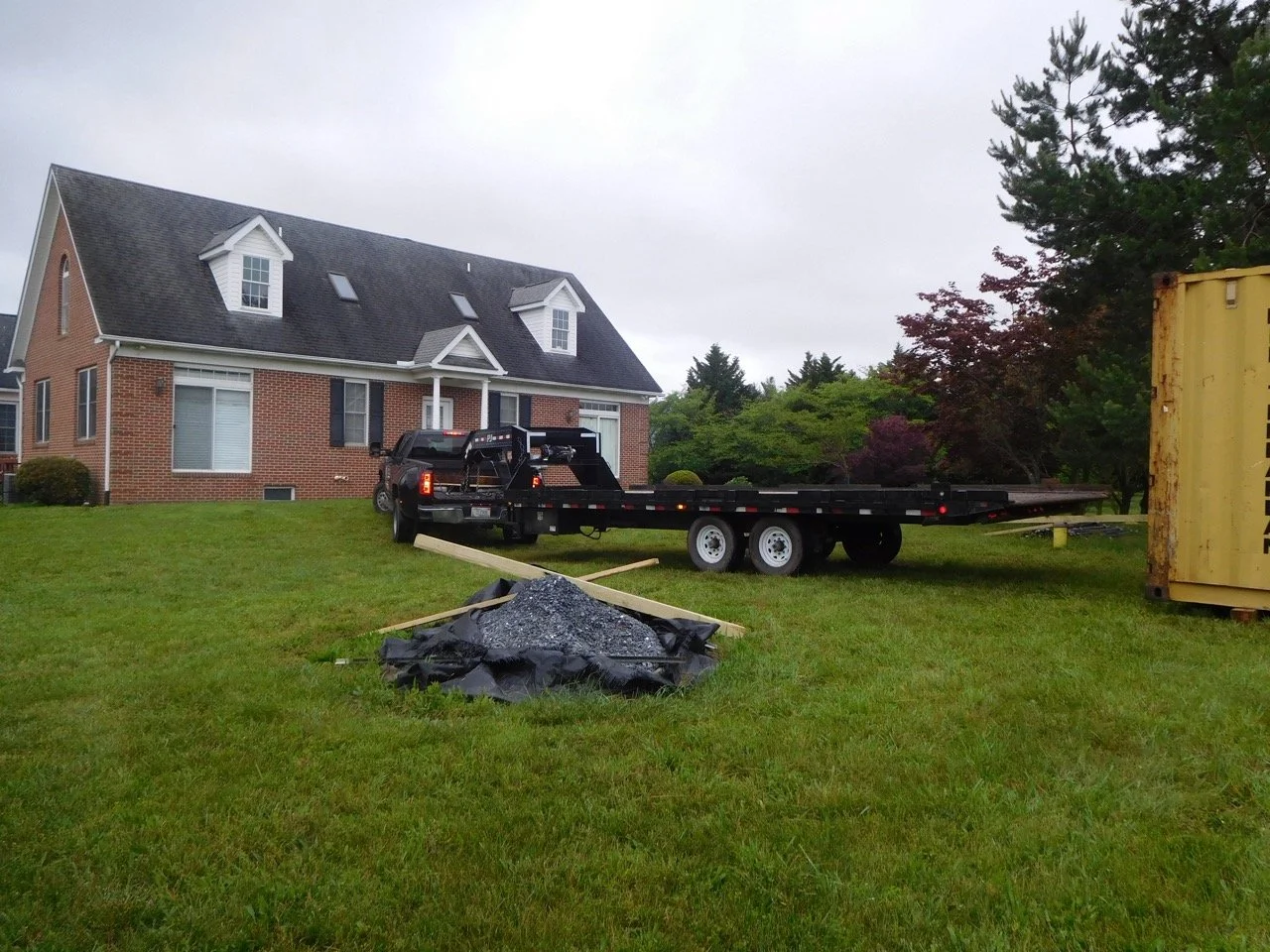
Purchasing a shipping container is an excellent investment for secure storage, equipment protection, construction projects, farms, businesses, and residential properties. Before your container arrives, however, one of the most important decisions you'll make is preparing a proper foundation.
A well-prepared site protects your investment, makes delivery easier, and helps your container perform as designed for decades. Whether you're purchasing a new one-trip container or a used storage container, the foundation beneath it plays a significant role in preventing structural stress, standing water, and unnecessary maintenance.
Q3 Containers supplies and delivers shipping containers throughout Virginia, Maryland, Washington D.C., Pennsylvania, and West Virginia, helping homeowners, contractors, municipalities, farms, and businesses prepare their sites for successful deliveries.
Why a Shipping Container Foundation Matters
Shipping containers are incredibly strong—but they're engineered to carry their weight through the four corner castings. When a container sits on uneven or unstable ground, stress can transfer into the frame, causing problems over time.
A proper foundation helps:
Keep the container level
Prevent doors from sticking
Reduce twisting of the frame
Improve drainage underneath the container
Prevent rust caused by standing water
Increase ventilation beneath the floor
Extend the lifespan of the container
Skipping proper site preparation may save money initially, but it often leads to costly adjustments later.
Do All Shipping Containers Need a Foundation?
Technically, a shipping container can be placed directly on the ground. However, that doesn't mean it's the best long-term solution.
Bare soil tends to settle over time, especially after heavy rain or seasonal freeze-thaw cycles common throughout the Mid-Atlantic. Uneven settling can affect door alignment and increase stress on the container's frame.
For long-term installations, Q3 Containers recommends placing your container on a stable, well-drained foundation.
The Best Foundation Options for Shipping Containers
Different properties require different solutions. The ideal foundation depends on your budget, soil conditions, intended use, and whether the container will remain in place permanently.
Gravel Pad
A compacted gravel pad is one of the most popular options for shipping containers.
Advantages
Affordable
Excellent drainage
Easy to install
Reduces standing water
Simple to expand later
Most gravel pads consist of compacted crushed stone installed over a level base. Proper compaction is essential to prevent settling.
Gravel foundations work exceptionally well for:
Residential storage
Construction sites
Farms
Equipment storage
Seasonal container use
Concrete Pad
Concrete provides the strongest and most permanent foundation.
Benefits include:
Maximum stability
Ideal for heavy loads
Excellent for workshops
Supports container modifications
Long service life
Concrete is commonly recommended when containers will become offices, workshops, retail spaces, or permanent storage facilities.
Although it costs more upfront than gravel, it requires very little maintenance.
Concrete Piers
Concrete piers support the container only at its structural corners.
Advantages include:
Lower cost than a full slab
Excellent drainage
Minimal site disturbance
Strong support
Since shipping containers are engineered to carry loads through the corner castings, pier foundations work extremely well when installed correctly.
Railroad Ties or Timber Blocks
Timber supports are commonly used for temporary installations.
Pros:
Inexpensive
Quick installation
Easy to reposition
Cons:
Can deteriorate over time
Less permanent
May settle unevenly
This option works best for temporary storage or job sites.
Steel Supports
Commercial projects sometimes utilize structural steel supports.
Steel provides:
Exceptional strength
Long-term durability
Easy inspection beneath the container
Excellent airflow
Steel foundations are generally reserved for engineered commercial installations.
How Level Does the Ground Need to Be?
One of the biggest misconceptions is that containers can simply be dropped onto uneven terrain.
In reality, shipping containers should be installed as level as possible.
An out-of-level container may cause:
Doors that won't latch
Water pooling on the roof
Uneven structural loading
Increased wear over time
Professional site preparation ensures each corner receives proper support.
Drainage Is Just as Important as the Foundation
Water is one of the biggest threats to long-term container performance.
Your installation site should direct water away from the container rather than allowing it to collect around the perimeter.
Good drainage helps:
Prevent corrosion
Protect surrounding soil
Reduce frost heaving
Improve accessibility after rain
Even galvanized containers benefit from proper drainage.
Leave Enough Clearance Around the Container
Site preparation isn't just about the ground beneath the container.
Leave adequate space around the container for:
Delivery equipment
Door operation
Future maintenance
Loading and unloading
Air circulation
Most installations benefit from several feet of clearance on all sides.
Consider Delivery Access Before Ordering
Before scheduling delivery, evaluate your property's accessibility.
Drivers need room to maneuver trucks and safely unload containers.
Common considerations include:
Driveway width
Tree branches
Utility lines
Tight corners
Soft ground
Steep slopes
Gates
Bridges with weight restrictions
Preparing access in advance helps ensure a smooth delivery.
Soil Conditions Matter
Every property is different.
Clay soils may retain water.
Sandy soils typically drain well but may require additional compaction.
Rocky terrain may need grading before installation.
If you're unsure about your soil conditions, discussing the site beforehand can help identify the best foundation option.
Foundations for Residential Properties
Homeowners frequently use shipping containers for:
Lawn equipment
Seasonal furniture
ATV storage
Hobby workshops
Household storage during renovations
For most residential applications, compacted gravel offers an excellent balance of affordability and performance.
Foundations for Construction Sites
Construction companies rely on containers for secure jobsite storage.
A gravel pad or concrete piers typically provide enough stability while allowing flexibility if the container needs to be relocated.
Foundations for Farms
Agricultural customers often use containers to store:
Feed
Equipment
Tools
Seed
Irrigation supplies
Well-drained gravel foundations perform especially well in rural environments because they reduce mud and improve accessibility throughout the year.
Foundations for Commercial Properties
Businesses often install containers as permanent storage or modified workspaces.
Commercial applications frequently benefit from concrete slabs due to their strength and durability.
Common Foundation Mistakes to Avoid
Avoid these common installation errors:
Setting the container directly on soft soil
Ignoring drainage
Skipping site compaction
Installing on uneven ground
Blocking container doors
Forgetting delivery clearance
Supporting only the middle of the container instead of the corners
Underestimating future access needs
Proper planning saves both time and money.
Frequently Asked Questions
Can a shipping container sit directly on dirt?
It can, but it isn't recommended for long-term use. Soil shifts over time and may lead to uneven settling.
Is gravel better than concrete?
For many residential and agricultural applications, gravel offers excellent performance at a lower cost. Permanent commercial installations often benefit from concrete.
How thick should a gravel pad be?
Most installations use a compacted gravel base several inches thick, though thickness depends on soil conditions and the intended use of the container.
Do shipping containers need footings?
Not always. Many containers perform well on compacted gravel or concrete pads. Concrete piers are another popular option for permanent installations.
Should water drain underneath the container?
Yes. Proper drainage reduces moisture buildup and helps protect the container from corrosion.
Why Customers Across the Mid-Atlantic Choose Q3 Containers
Choosing the right shipping container is only part of the process. Proper delivery planning and site preparation are equally important.
Q3 Containers helps customers throughout Virginia, Maryland, Washington D.C., Pennsylvania, and West Virginiachoose the right container and prepare their property for a successful installation. Whether you need a new one-trip container, a dependable used container, or guidance on foundation preparation, our team is committed to making the delivery process straightforward from start to finish.
Ready to Prepare Your Site?
If you're planning to purchase a shipping container, preparing the site before delivery is one of the best ways to protect your investment. Q3 Containers supplies high-quality new and used shipping containers throughout Virginia, Maryland, Washington D.C., Pennsylvania, and West Virginia. Contact our team today to discuss your project, determine the best foundation for your property, and schedule dependable container delivery.